Mirissa Travel Guide Sri Lanka: The Ultimate Coastal Escape
Written and edited by a Sri Lankan | Last Updated: June 2026
Tucked along the southern crescent of the Matara District, Mirissa Sri Lanka has evolved from a quiet, palm-shaded fishing village into one of Asia's most compelling boutique beach destinations. Fringed by thick coconut plantations and washed by the pristine waters of the Indian Ocean, this golden-sand haven manages a rare feat: it balances a vibrant beach culture filled with seafood shacks and surf schools with a slow, bohemian lifestyle that still honors its traditional roots. Whether your travel style calls for chasing blue whales across the continental shelf, carving your first reef waves, or spending slow afternoons drinking king coconuts under leaning palms, this comprehensive Mirissa travel guide reveals exactly how to plan your perfect tropical itinerary.
Why Visit Mirissa
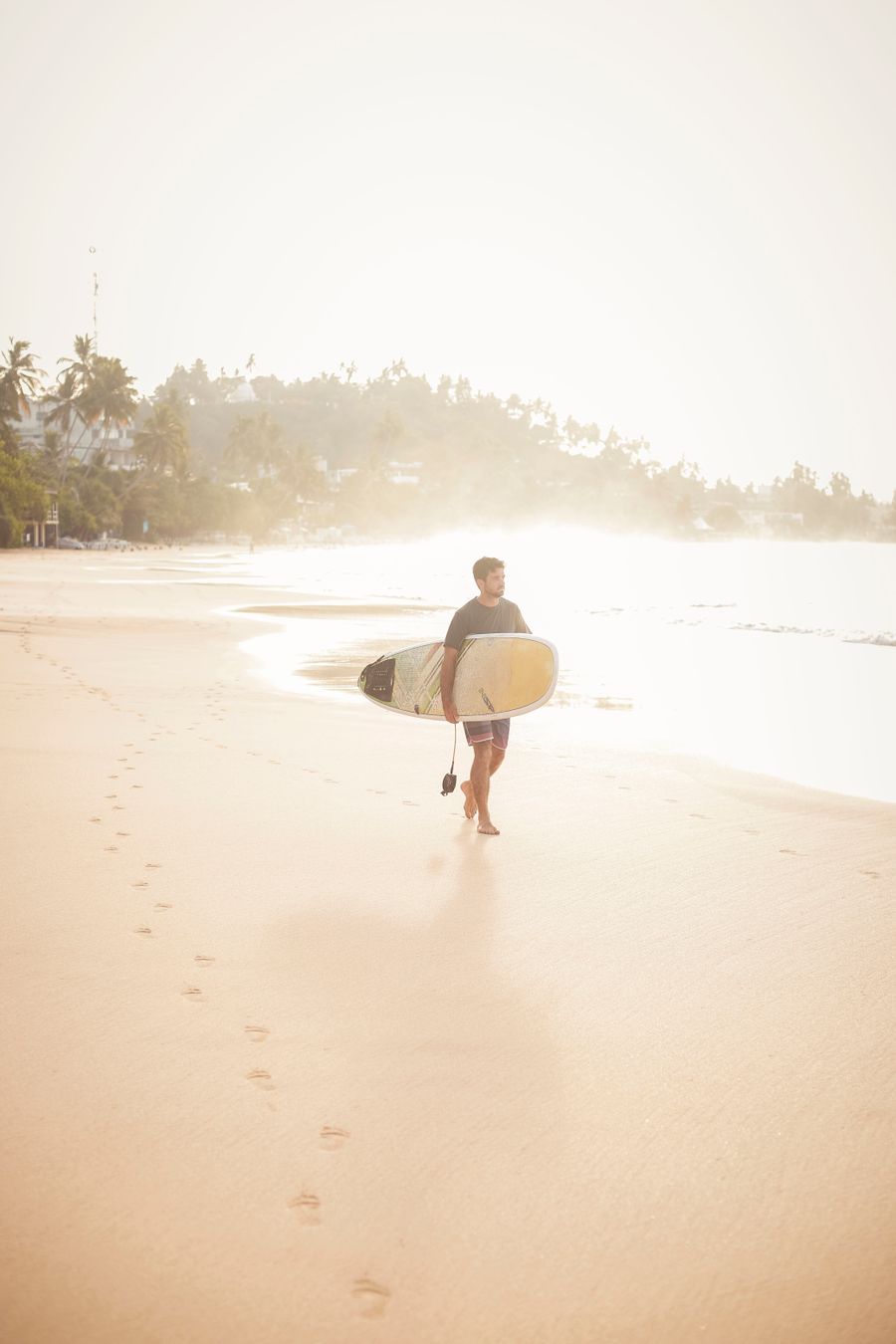
What makes Mirissa unique among the towns lining Sri Lanka’s southern coast is its compact geography and micro-beach systems. Unlike expansive resort towns where attractions are separated by miles of busy highways, Mirissa packs distinct ecosystems into a small, highly walkable area. Within a single square mile, you transition effortlessly from high-energy swimming bays to hidden, jungle-shrouded rocky lagoons and world-class deep-sea marine habitats.
It serves as an exceptional base for independent explorers, digital nomads, and families alike. The layout lets you tailor your days dynamically: you can witness the first morning light illuminating a dramatic cliffside coconut grove, track the largest creatures on earth by mid-morning, test your footing on intermediate reef surf breaks by mid-afternoon, and wind down your night eating fresh catch over candlelit tables set directly in the soft sand. It encapsulates everything appealing about Sri Lanka’s tropical identity without requiring the exhausting travel times found elsewhere.
Best Time to Visit Mirissa
Weather along Sri Lanka's south coast is dictated by a distinct dry and wet season cycle. To ensure clear skies, turquoise water, and peak wildlife viewing conditions, aligning your visit with seasonal shifts is essential.
The absolute best time to visit Mirissa is from November to April. During this window, the southwest monsoon passes, replaced by calm ocean swells, minimal rainfall, and brilliant sunshine. This is when the water visibility peaks—turning the bays into glassy swimming pools—and marine expeditions run at full capacity.
The Mirissa Beach Experience
The center of life here is the main Mirissa Beach, an elegant, golden sand crescent curving gently between protective headlands. The beach changes character depending on which section of the shoreline you occupy.
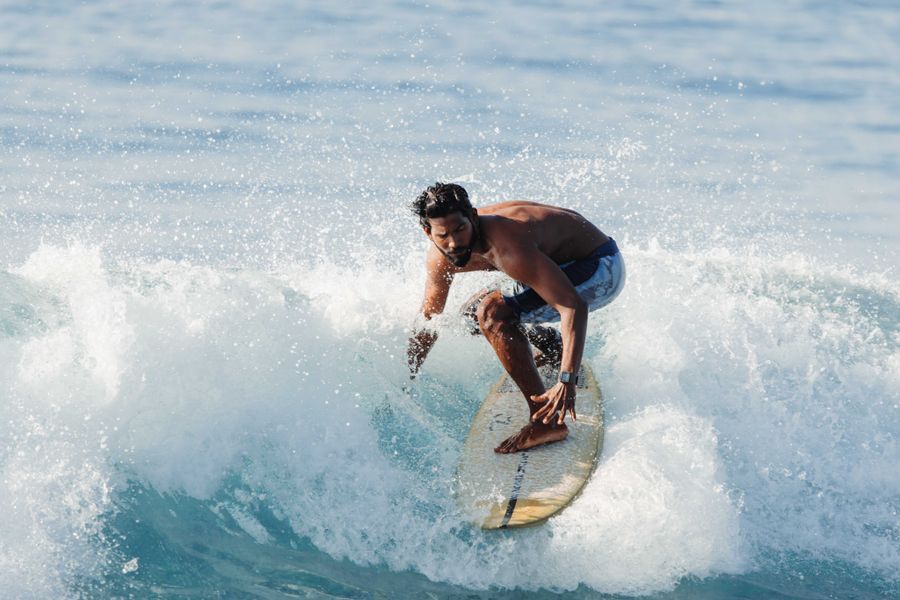
The eastern flank of the bay features exceptionally shallow, tranquil waters protected by an offshore natural reef barrier. This zone acts as a calm saltwater pool, making it highly safe for families, relaxed wading, and spotting sea turtles grazing on seagrass. As you walk westward along the curve, the protective reef tapers off, allowing clean, rolling waves to hit the sand—creating a lively playground for bodyboarders and intermediate surfers alike.
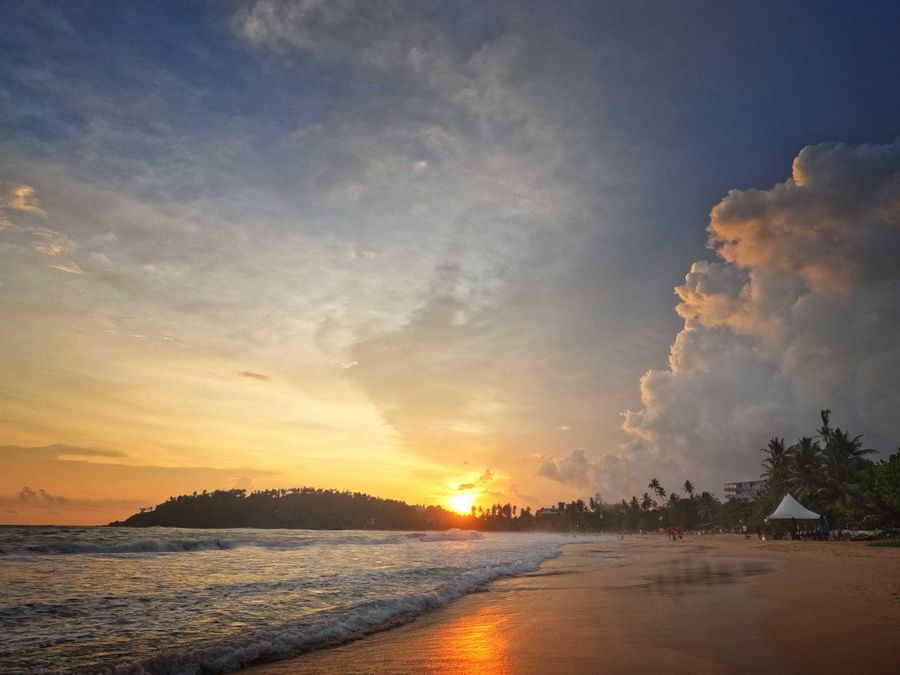
The daily rhythm of the beach is highly addictive. Early mornings belong to joggers, yogis, and local fishermen hauling lines. By noon, the beach fills with sun-seekers lounging on daybeds provided by bohemian cafes. As twilight approaches, the entire shoreline changes: vendors move tables within inches of the tide line, string up warm fairy lights, and arrange wood-fired grills showcasing the morning's catch of red snapper, tuna, and jumbo prawns over ice.
Top Mirissa Attractions & Things to Do
Whale Watching in Mirissa
Plunging deep into the Indian Ocean to witness majestic cetaceans is one of the definitive things to do in Mirissa. Because the deep oceanic trench sits close to land, migrating blue whales can regularly be spotted during their winter routes. Tour boats set sail from the bustling Mirissa fisheries harbor at dawn, steering out into open water where you can observe these gentle giants breaching and diving in their natural habitat, often flanked by thousands of playful spinner dolphins.
Coconut Tree Hill
This iconic, rust-red clay cliff juts boldly out into the sea, covered entirely by a dense, symmetrical forest of towering palm trees leaning over the water. Free to enter, it has become one of the most famous visual landmarks in South Asia. Reaching the summit requires a brief 15-minute walk from the eastern end of the main beach. The elevated perspective gives you a panoramic, unobstructed view across the vast ocean horizon.
Secret Beach
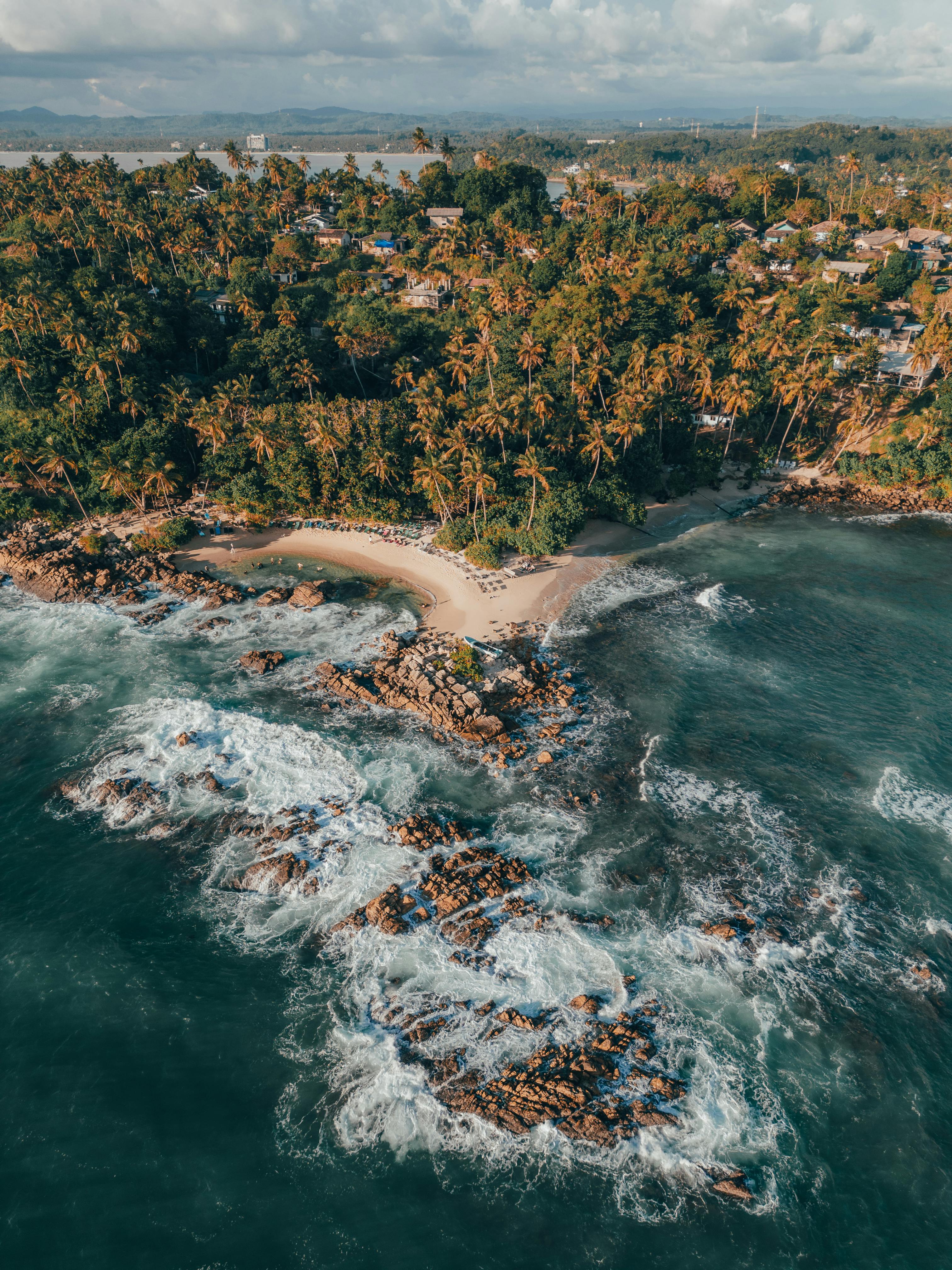
Tucked around the western headland, Secret Beach is a series of secluded coastal pockets hidden behind thick jungle trails. While no longer an absolute secret, its rugged, steep dirt access track deters massive tour groups. It features three mini-bays: a rocky snorkeling zone brimming with neon parrotfish, a tiny reef-walled harbor that creates a completely wave-free swimming bowl, and a dramatic rocky shelf where blowholes spray sea foam high into the air.
Parrot Rock
Standing directly at the center of Mirissa’s main shoreline, Parrot Rock is a red-rock island mass rising from the shallows. At low tide, a sandbar reveals itself, allowing visitors to walk directly across the water to climb a set of rustic steps carved into the rock face. The small peak provides an excellent vantage point to survey the entire beach layout, map out surf lineups, and feel the raw energy of waves crashing against the rocks.
Local Food and Seafood Experiences
The culinary identity of Mirissa is heavily defined by its coastal location and traditional Sri Lankan spice heritage. Every evening, the beach becomes an open-air seafood market. Travelers can hand-select fresh catches directly from local fishing boats and have them seasoned with salt, lime, garlic, and fresh ground chili before being slow-cooked over hot charcoal grills.
Beyond premium seafood, discovering local Sri Lankan staples is essential for an authentic culinary experience. Do not leave without trying:
- Sri Lankan Rice & Curry: A large central mound of rice surrounded by four to six changing seasonal vegetable curries—including creamed dhal, jackfruit curry, spiced beetroot, and a fresh salad of coconut flesh and greens called gotu kola sambol.
- Egg Hoppers: Crispy, bowl-shaped crepes made from fermented rice flour and rich coconut milk, prepared in small rounded pans with an egg cracked directly into the soft center, traditionally served alongside fiery chili sambols for breakfast.
- Kottu Roti: A high-energy street dish constructed from shredded flatbread, crisp vegetables, egg, and meat, all chopped dynamically with metal blades on a hot iron griddle. The metallic rhythm can be heard echoing down the main streets every evening.
Getting Around Mirissa
Navigating Mirissa is remarkably uncomplicated due to its small footprint. For baseline exploration around the main beach strip, hotels, and coastal restaurants, your own two feet are entirely sufficient.
When venturing out to locations like Secret Beach, or nearby coastal strips, you have three primary transit options:
- Tuk-Tuks: These nimble, three-wheeled vehicles are stationed on nearly every street corner. They are excellent for fast point-to-point transfers. Ensure you settle on a price with the driver before sitting down, or use regional digital ride apps to cross-check standard rates.
- Scooter Rentals: For maximum flexibility along the southern coast, renting an automatic scooter is highly popular. Rates fluctuate based on duration and season, but it grants you complete autonomy to hunt down uncrowded surf spots. Always wear a helmet, drive defensively, and keep an eye out for erratic buses.
- Local Coastal Buses: The large public buses run continuously along the primary Matara highway. They are fast, vibrant, and incredibly cheap—perfect for short trips to Weligama or Matara for under a hundred rupees. Simply stand by the roadside and wave them down.
Hidden Gems in and Around Mirissa
If you want to step away from the primary tourist hotspots, the surrounding coast is full of quieter destinations easily reached within minutes:
- Madiha Beach: Situated just a short distance east, this quiet coastal village is loved by expats. It features excellent shallow rock pools, consistent reef breaks for experienced surfers, and clean waters where large green sea turtles can regularly be seen feeding near the shore.
- Polhena Beach: Located near Matara, Polhena is protected by an extensive offshore coral reef barrier. This creates an expansive, completely wave-free saltwater lagoon, acting as a natural sanctuary where sea turtles reside year-round.
- The Doctor’s House (Madiha): A beautiful, 200-year-old restored Dutch colonial building transformed into a vibrant coastal hub, offering an extensive garden space, wood-fired pizzas, artisan markets, and live music during the dry season.
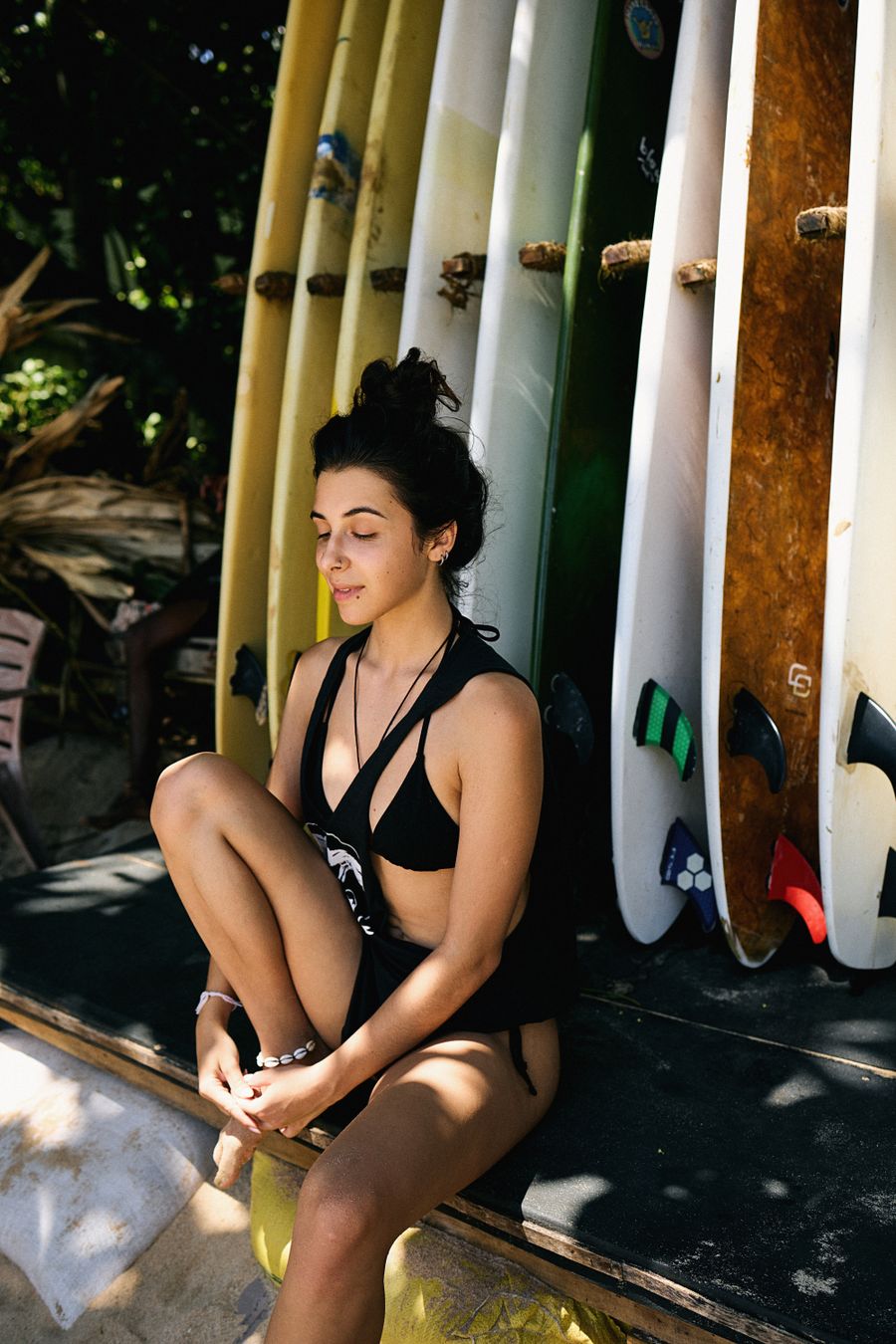
- Weligama Bay: Just 10 minutes west, this massive, sandy-bottomed bay stands as the undisputed beginner surf capital of Sri Lanka. The gentle, rolling whitewash waves make it one of the safest and most forgiving zones in the world to practice your pop-up.
Essential Mirissa Travel Tips & Insider Guide
To enjoy a safe, smooth, and culturally respectful trip along the southern coast, incorporate these essential practical tips into your travel planning:
Budget and Money-Saving Tips
While beachside tourist-centric western cafes charge premium prices for items like avocado toast and espresso, you can keep your budget in check by eating breakfast and lunch at traditional roadside eateries. A massive plate of authentic rice and curry will keep you full for hours at a tiny fraction of western prices. Additionally, if you plan to stay in the area for more than a few days, always negotiate a multi-day discount on scooter rentals or surfboards up-front rather than paying the standard daily rate.
Currency and Cash Usage
Sri Lanka operates primarily on cash transactions using the Sri Lankan Rupee (LKR). While upscale boutique hotels and larger western restaurants accept international credit cards, cash is necessary for tuk-tuks, local buses, surf rentals, street food stalls, and small fruit vendors. Multiple ATMs are located along the main road in Mirissa, but it is highly recommended to keep a steady supply of small denomination bills (100, 500, and 1000 LKR notes), as small shops rarely have change for large 5000 rupee notes.
Beach and Ocean Safety
The Indian Ocean can feature powerful shorebreaks and intense rip currents. Pay close attention to any warning signs or flags on the sand. The central zone of Mirissa Beach and the waters surrounding Parrot Rock are prone to strong undertows during tidal shifts—never attempt to cross the sandbar to Parrot Rock if waves are actively washing over it. When snorkeling near rocky reefs, protect your feet from sharp black sea urchins hiding in rock crevices.
Ethical Whale Watching Practices
The rapid growth of marine tourism has occasionally led to overcrowding, with irresponsible operators chasing or crowding marine wildlife. To ensure your trip is ethical, avoid booking ultra-cheap, unregulated boats that pack passengers beyond capacity. Instead, choose responsible operators that actively respect international marine guidelines—maintaining a respectful distance, cutting engines when animals approach, and featuring onboard marine biologists who provide educational briefings.
Cultural Etiquette in Sri Lanka
Sri Lanka is a deeply conservative country with rich religious traditions. While standard swimwear is completely fine on the beaches of Mirissa, walking through public town streets, local markets, or shops in bikinis or bare chests is considered highly disrespectful. Always cover your shoulders and knees if you take a day trip to sacred temples. Never turn your back directly to a Buddha statue to pose for a photograph, and never touch or climb on ancient religious structures.
Food and Water Safety
Tap water across Sri Lanka is strictly unsafe for foreign travelers to consume. To prevent stomach bugs, utilize filtered water refill stations provided by your guesthouse, or purchase sealed bottles from reputable shops. Most established cafes and beachside bars use purified, commercially manufactured ice cubes, which are completely safe. For maximum food safety, stick to popular local eateries with a high turnover of local customers, ensuring your food is prepared fresh and served piping hot.
Safety for Solo Travelers, Couples, and Families
Mirissa maintains an exceptional reputation for safety, with a warm, welcoming local population and an active traveler community that makes it highly secure for solo female travelers, couples, and families. The far eastern end of the beach is especially popular for families due to its wave-free, shallow water. Use common street-smart precautions: avoid walking alone down unlit, isolated jungle tracks or deserted beach stretches late at night, and always use reliable guesthouse safes to store your travel documents and electronics.
Common Tourist Mistakes to Avoid
A common mistake is trying to board regional third-class commuter trains with massive, heavy rolling suitcases during peak morning hours. The coastal rail route is incredibly scenic, but carriages fill up fast. If you are traveling with significant luggage, consider booking a dedicated first-class seat well in advance or taking an official highway taxi. Another frequent oversight is skipping the local Sri Lankan cuisine entirely in favor of familiar western comfort food—take the opportunity to embrace the incredible hospitality of local family-run kitchens.
Final Thoughts on Mirissa Sri Lanka
Mirissa remains one of Sri Lanka’s most balanced and complete coastal destinations. It successfully combines wild adventure with pristine natural beauty, giving travelers the opportunity to experience both the high energy of an active beach town and the quiet isolation of hidden coves. Whether you come to track blue whales, ride the reef breaks, or simply relax beneath leaning palm trees as the sun dips below the horizon, Mirissa delivers an unforgettable tropical experience that often convinces travelers to stay far longer than originally planned.